technology in abortion care

Globally, about 40% of women and people assigned female at birth live under laws that restrict or prohibit access to safe abortion care. Even where abortion is legal, socio-cultural stigma and health inequities hinder timely, equitable access.
Technologies have been developed to support abortion seekers and providers in overcoming barriers to information, safe abortion care, and support. However, research on abortion care technologies is fragmented, spanning medical and computing publications, and lacking a consolidated understanding.
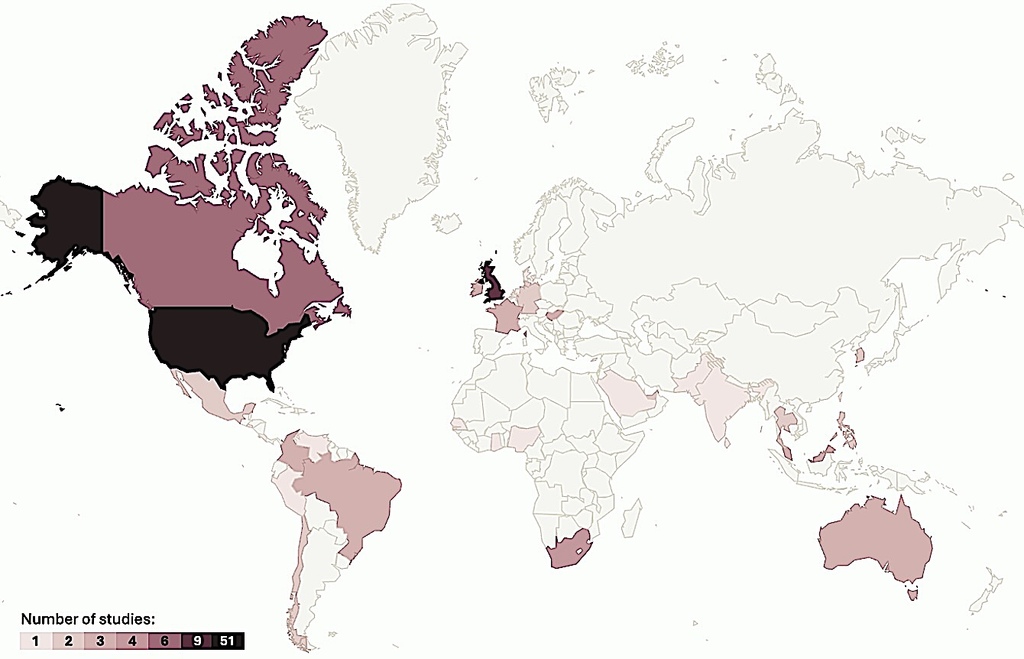
To address this gap, we conducted a scoping review of 92 studies, examining technological applications, contexts of use, research methods, ethical considerations, and pathways to impact.
This analysis informs the HCI research agenda for abortion care, highlighting future directions, and fostering reflection on design, ethics, and meaningful impact. We call on HCI researchers to move beyond telemedicine and U.S.-centric perspectives, re-politicize abortion care technologies, and consider temporality in delivering timely abortion care amid broader sociopolitical constraints.
Involved in this project:
Collaboration:
- University College Dublin
- University College Cork
- Indiana University Bloomington
- The Coombe Hospital